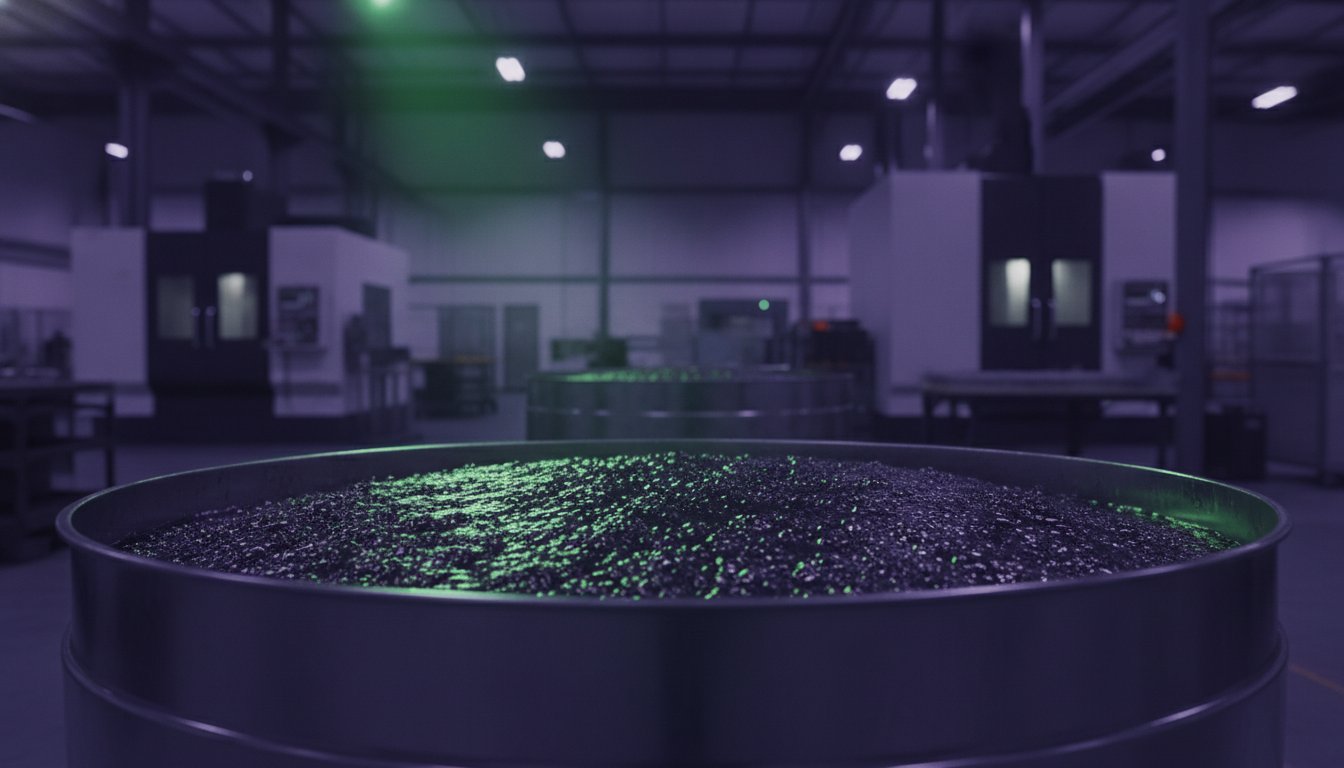
That heavy, wet pile of grinding sludge in the corner of your shop isn't just a maintenance headache; it's a high-value asset waiting to be liquidated. You likely already feel the frustration of managing the weight and mess of industrial swarf while wondering if you're getting a fair price for the actual metal content. Finding reliable tungsten soft scrap buyers who understand the true value of your powder shouldn't be the hardest part of your week. With China's 2026 export controls tightening the global supply and the U.S. designating tungsten as a critical mineral, your soft scrap is more valuable today than it was even a year ago.
It's time to stop letting your industrial waste eat up floor space and start turning it into a significant revenue stream. We've streamlined the entire recycling process to remove the logistical hurdles that usually come with shipping heavy, wet materials. In this guide, you'll learn how to accurately assess your tungsten content, simplify your shop's logistics, and secure fast payment via wire or check. We'll show you exactly how a professional partner handles the heavy lifting so you can focus on your core operations with a clean floor and a healthier bottom line.
Key Takeaways
- Turn industrial sludge and powder into a significant revenue stream by understanding its true recovery value.
- Identify the best collection methods for carbide swarf and dust from machine shops and thermal spray operations.
- Learn how professional tungsten soft scrap buyers calculate dry weight to ensure you receive a fair price for wet materials.
- Simplify your logistics with specific packaging strategies that prevent environmental hazards and reduce shipping headaches.
- Secure faster payments and higher rates by working directly with a buyer who offers 24-hour processing.
What is Tungsten Soft Scrap and Why is it High Value?
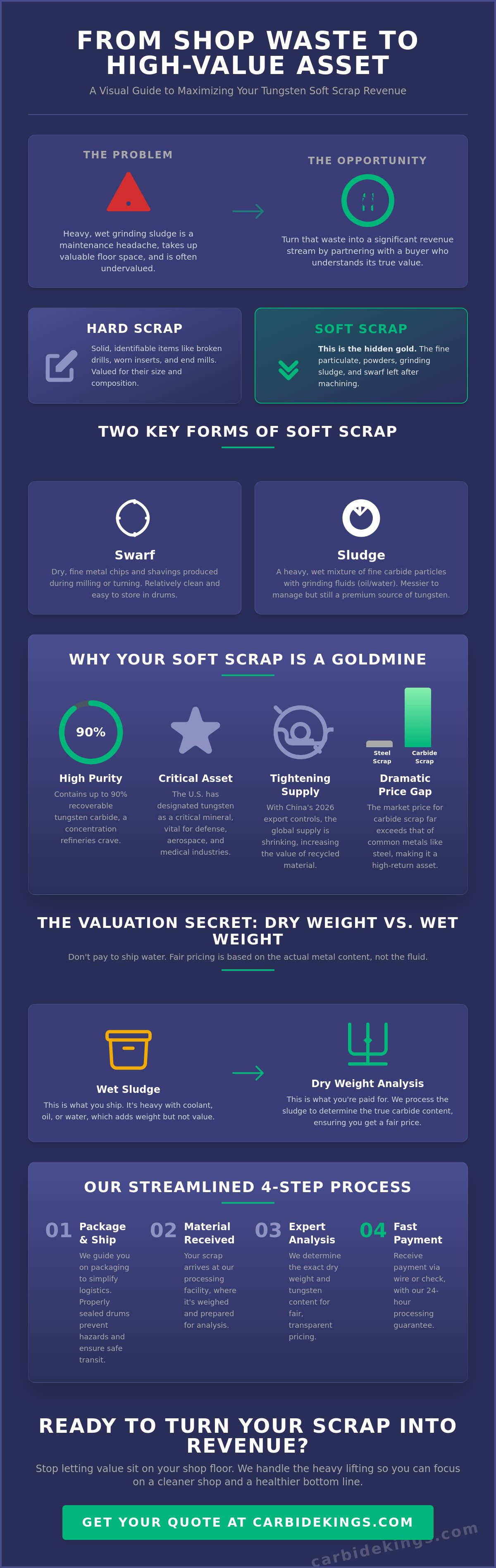
Stop treating your grinding waste like a disposal problem. Every time your shop sharpens a tool or shapes a part, you generate a high-value byproduct known as tungsten soft scrap. This material isn't just "dust" or "dirt"; it's a concentrated form of one of the world's most critical industrial metals. While hard scrap consists of solid items like broken drills or worn inserts, soft scrap is the fine particulate left behind after machining. Professional tungsten soft scrap buyers look for this material in several forms, including grinding sludge, swarf, and fine powders. Because tungsten is a dense, strategic metal, these byproducts carry a market value that far exceeds standard industrial waste.
The Difference Between Swarf and Sludge
Understanding the physical state of your waste helps you maximize your return. Swarf usually consists of the dry, fine metal chips and shavings produced during milling or turning processes. It's relatively clean and easy to store in drums. Sludge is a different beast entirely. It's a heavy, wet mixture of fine carbide particles combined with grinding fluids like oil or water. While sludge is messier to manage and more expensive to ship, it remains a premium source of metal. Both materials contain recoverable tungsten, but they require different handling procedures to ensure the moisture doesn't interfere with the final weight and valuation.
Why Industrial Refineries Crave Soft Scrap
Refineries rely on soft scrap to sustain the global supply of high-performance tools. To understand the demand, you have to look at the material itself. What is Tungsten Carbide and why does it matter? It's a compound that combines tungsten and carbon to create a material nearly as hard as diamond. Tungsten soft scrap is a high-density industrial byproduct containing up to 90% recoverable carbide. This incredibly high concentration is why the carbide scrap vs steel scrap price difference is so dramatic. While steel is a common commodity, tungsten is a strategic asset with tightening global supply chains.
Choosing to recycle your sludge and swarf does more than just boost your bottom line. It keeps heavy metals out of local landfills and reduces the environmental impact of primary mining. Most tungsten soft scrap buyers provide a seamless way to turn these hazardous shop floor burdens into liquid capital. By capturing these fines, you're participating in a circular economy that ensures the aerospace, defense, and medical industries have the raw materials they need to function. It's a straightforward process: you clean your shop floor, and we provide the fast payment you deserve for your industrial assets.
Common Sources of Tungsten Carbide Soft Scrap
Identifying where your scrap originates is the first step toward maximizing your facility's revenue. Most tungsten soft scrap buyers work with a diverse range of industrial sectors, from aerospace machining to energy production. If your operation involves shaping, grinding, or coating with carbide materials, you're likely sitting on a valuable byproduct. It isn't just about the tools themselves; it's about the microscopic fines and residues left behind. These materials often hide in plain sight, disguised as shop floor waste or filtration debris.
Machine shops are the most frequent generators of this material. When you use carbide end mills, drills, or inserts, the grinding process creates a steady stream of fines. Similarly, tool and die manufacturers performing precision grinding produce high-density sludge that is incredibly rich in tungsten. Even filter manufacturers play a role, as they often collect carbide dust in paper or cartridge filters during air or fluid filtration. If you're unsure if your waste qualifies, you can contact a specialist to review your material types and recovery potential.
Machining and Tooling Byproducts
The production and maintenance of cutting tools create a significant amount of swarf. This is especially true when working with tungsten alloy scrap, where fine chips are a natural part of the workflow. Worn carbide inserts that are too small to be used as hard scrap often end up as particulate matter during the regrinding process. These fines are held together by cobalt binders, which are also valuable to recyclers. Understanding the flow of these materials is vital for national supply security. According to the U.S. Geological Survey report on Tungsten Recycling in the United States, recovering these secondary materials is essential for maintaining industrial stability.
Thermal Spray and Hard-Facing Waste
Thermal spray operations represent another massive source of tungsten powder. During the High-Velocity Oxy-Fuel (HVOF) coating process, a significant portion of the powder never actually reaches the target part. This is known as overspray. In a busy coating facility, this overspray accumulates as floor sweeps and dust collector fines. While it might look like common dust, it's actually spent tungsten powder with high market value. Oil and gas drilling departments also contribute to this stream when they sharpen or refurbish tungsten-tipped bits. Professional tungsten soft scrap buyers prioritize these fines because they are already in a powder state, making them ideal for the recycling furnace. Don't let your overspray get swept into the trash; it's a high-density asset that belongs back in the supply chain.
How Tungsten Soft Scrap Buyers Calculate Value
Determining the exact value of your industrial waste isn't a guessing game. It's a precise chemical and physical analysis. When you ship a drum of grinding sludge, you aren't just selling weight; you're selling the recoverable metal trapped inside that material. Professional tungsten soft scrap buyers look at the total weight of the shipment and then subtract the weight of fluids, oils, and non-metallic debris. This "dry weight" represents the actual inventory you're trading. Because tungsten is a high-density, strategic metal, even a small percentage of recovery can result in a significant payout for your shop.
Contaminants play a massive role in the final valuation. If your carbide swarf is mixed with steel shavings, aluminum bits, or heavy amounts of grinding wheel grit, the processing costs increase. These foreign materials must be separated before the tungsten can be recovered, which can lower your per-pound rate. Market volatility also dictates the daily price. Tungsten, often traded as Wolfram, fluctuates based on global supply chains and trade regulations. Staying informed about these shifts ensures you move your inventory when the market is strongest.
The 24-Hour Processing Advantage
In the industrial sector, time is money. You shouldn't have to wait weeks to find out what your material is worth. Modern tungsten soft scrap buyers use X-ray fluorescence (XRF) technology to provide an instant, non-destructive analysis of your scrap's elemental composition. This allows for a 24-hour turnaround from the moment your material is received and weighed. Transparency is the foundation of this process. Every drum is weighed on certified scales, and the analysis report should be clearly shared so you know exactly what you're being paid for. Fast processing doesn't just clear your floor; it puts cash back into your operating budget immediately.
Comparing Soft Scrap vs. Hard Scrap Value
It's a common question: why is my sludge worth less than my solid carbide inserts? Hard scrap is generally more valuable because it requires almost no pre-processing. It's solid, high-purity material that can go straight into the recycling stream. Soft scrap value is determined by the percentage of recoverable tungsten carbide after fluid extraction. To maximize your return, you must keep your materials segregated. Don't throw your carbide fines into the same bin as your high-speed steel or general shop trash. By maintaining clean, isolated streams of carbide sludge and powder, you ensure the highest possible recovery rate and the best possible price from your buyer. Professional handling turns a messy byproduct into a streamlined profit center.
How to Properly Package and Ship Tungsten Sludge
Don't let the weight and mess of grinding sludge stop you from collecting your payout. Shipping industrial fines requires a methodical approach to prevent leaks and ensure stability. Professional tungsten soft scrap buyers expect materials to arrive in a condition that allows for immediate weighing and analysis. If your sludge is wet, you must use leak-proof containers. Any leakage during transit can lead to environmental fines and rejected shipments. Label every container clearly with the material type and an estimated weight. This transparency helps the receiving team move your shipment through the analysis phase faster.
For a deep dive into container specifications, consult our guide on how to ship tungsten scrap. Properly palletizing your drums is the final step. Use high-quality wooden pallets and heavy-duty shrink-wrap to secure the load. If the drums shift during national transit, it creates a safety hazard for the carrier. Stability is key to a smooth transaction. When you follow these steps, you ensure your high-value assets arrive safely and ready for processing.
Choosing the Right Containers
Choose your vessels based on your shop's handling capabilities. 5-gallon pails are excellent for smaller shops because they're easier to move without heavy machinery. However, 55-gallon steel drums are the industry standard for bulk operations. They offer superior durability and can handle the extreme density of tungsten fines. Ensure all seals are airtight. This prevents grinding fluids from evaporating and keeps the mess contained. For high-volume shipments, consider secondary containment strategies like drum liners to provide an extra layer of protection against punctures and spills.
National Shipping Logistics
Moving tons of metal across the country sounds like a headache, but it doesn't have to be. Most shipments from machine shops fall under LTL (Less Than Truckload) logistics. This is a cost-effective way to move several pallets without paying for a full trailer. We simplify this process by handling the freight coordination and Bill of Lading (BOL) preparation for you. You don't need to be a logistics expert to get a fair price for your waste. When you're ready to clear your floor, request a freight quote and let us handle the heavy lifting. We've refined our national network to ensure pickups are fast and paperwork is minimal. This professional approach removes the traditional barriers to recycling and gets you paid sooner.
Why Choose Carbide Kings for Your Soft Scrap Disposal?
Choosing the right partner means the difference between a cluttered shop floor and a liquid revenue stream. As direct tungsten soft scrap buyers, we eliminate the middleman fees that typically eat into your profits. You deal directly with the experts who process your material. This direct-to-buyer relationship ensures you receive competitive national rates based on real-time market data. We understand the complexities of grinding sludge and thermal spray powders because we handle them every day. Our facility is equipped to manage the moisture analysis and material verification that standard scrap dealers simply can't handle.
Industrial professionals value time and clarity above all else. You need a partner who understands that every barrel of sludge represents both a logistical burden and a financial asset. We've built our reputation on being one of the most reliable tungsten soft scrap buyers in the country. Our process is designed to be as straightforward as a basic retail transaction. We remove the traditional barriers that make metal recycling feel like a chore. By focusing on speed, transparency, and competitive pricing, we ensure your shop operates at peak efficiency.
Our National Procurement Process
Get a quote today by providing a few photos or a small sample of your material. We don't believe in making you jump through administrative hoops. Once we review your material, we handle the heavy lifting of logistics coordination. Whether you're shipping a single pallet or a full truckload, our team organizes the pickup and prepares the necessary paperwork. After your material arrives at our facility, we perform a rapid verification. You won't wait weeks for an answer. We move from receipt to final weight determination in 24 hours. This rapid turnaround allows you to clear your inventory and reinvest that capital back into your business without delay.
Commitment to Industrial Transparency
Transparency is our standard, not an option. You'll never encounter hidden fees or unexpected deductions in our recycling process. We provide clear communication from the moment you request a quote until the final payment hits your account. Choose the payment method that fits your business needs, whether it's a fast wire transfer or an overnight check. Our team understands machine shop operations and the pressure of maintaining a clean, efficient workspace. We act as a proactive partner so you can remain focused on your core production goals. When the process is this simple, there's no reason to let your valuable carbide waste sit idle. Experience the satisfaction of a fair, fast transaction with a team that values your time as much as you do.
Maximize Your Industrial Assets Today
Your shop floor doesn't have to be a storage site for messy sludge and swarf. We've explored how to identify high-value byproducts, calculate their true recovery potential, and simplify the shipping process. By partnering with specialized tungsten soft scrap buyers, you remove the logistical barriers that usually stand between you and your payout. It's time to stop treating your grinding fines as waste and start treating them as a strategic revenue stream that supports your bottom line.
We provide the 24-hour material processing and national logistics support you need to keep your operations moving. You'll benefit from transparent weighing and fast wire transfer payments that put capital back into your hands immediately. Don't let your industrial assets sit idle while the market is strong. Reach out to our team and experience a streamlined recycling process designed for your convenience. We handle the heavy lifting so you can stay focused on your core production goals.
Get a Fast Quote for Your Tungsten Soft Scrap at CarbideKings.com
Take the final step toward a cleaner shop and a stronger budget. We're ready to turn your industrial waste into your next success story.
Frequently Asked Questions
What is the current price for tungsten soft scrap per pound?
Market prices for tungsten soft scrap fluctuate daily based on global supply chains and the specific purity of your material. Because tungsten is a strategic metal with tightening export controls, the value remains high compared to standard industrial waste. We provide live quotes based on current market conditions to ensure you receive the most accurate payout for your inventory. Contacting tungsten soft scrap buyers directly is the best way to secure a firm price for your specific lot of sludge or powder.
Do you buy wet grinding sludge or does it need to be dry?
We accept both wet grinding sludge and dry powders. You don't need to dry your material before shipping, as our facility is equipped to handle moisture analysis. We calculate the "dry weight" of your shipment by extracting fluids and oils during the verification process. This ensures you're paid fairly for the actual metallic content rather than the weight of the grinding coolants.
What is the minimum weight requirement for shipping soft scrap?
We typically recommend shipping at least 500 pounds of material to maximize your return on investment. While we can process smaller amounts, the cost of freight logistics can sometimes offset the profit on very light loads. Shipping in bulk using 55-gallon drums or multiple 5-gallon pails on a single pallet is the most cost-effective way to move your scrap. If you're close to this weight, it's often better to wait and fill a final drum before scheduling a pickup.
How do I know if my sludge contains enough tungsten to be valuable?
If your facility primarily grinds carbide end mills, drills, or inserts, your sludge is guaranteed to contain high-value tungsten. You can send a small sample or clear photos of your material for a preliminary assessment. Once the shipment arrives at our facility, we use XRF analysis to determine the exact percentage of recoverable carbide. This scientific approach removes the guesswork and ensures you're paid for the actual density of the metal in your waste.
Can I mix hard carbide scrap and soft sludge in the same shipment?
You can certainly include both hard and soft scrap in the same shipment, but you must keep them in separate containers. Mixing solid inserts or drills directly into a drum of wet sludge makes the weighing and analysis process much more difficult. Place your solids in their own boxes or pails and secure them on the same pallet as your sludge drums. This segregation helps us process your material faster and ensures you get the maximum rate for each category.
How long does it take to receive payment after I ship my material?
You'll receive payment immediately after we complete the 24-hour material verification process. Once your shipment arrives and we confirm the final dry weight and purity, we issue funds via wire transfer or overnight check. We understand that industrial shops value fast cash flow, so we've eliminated the long waiting periods common with traditional scrap dealers. Our goal is to move your material from the receiving dock to final payment as quickly as possible.
What industries produce the most tungsten soft scrap?
Aerospace, defense, and medical device manufacturing are the primary producers of tungsten fines and sludge. These sectors rely heavily on precision carbide tooling and thermal spray coatings, both of which generate significant amounts of soft scrap. Oil and gas drilling operations also produce large volumes of swarf when refurbishing tungsten-tipped bits. If your business involves high-precision metalworking or hard-facing applications, you're likely sitting on a valuable byproduct.
Are there environmental regulations I need to follow when shipping sludge?
Yes, you must follow DOT regulations regarding the transport of industrial materials to prevent shop floor fluids from leaking during transit. It's essential to use leak-proof containers and ensure all seals are airtight before the carrier arrives. We assist with the preparation of the Bill of Lading and provide guidance on stable palletizing to ensure your shipment complies with national safety standards. Following these simple steps protects your shop from liability and ensures a smooth delivery.


