
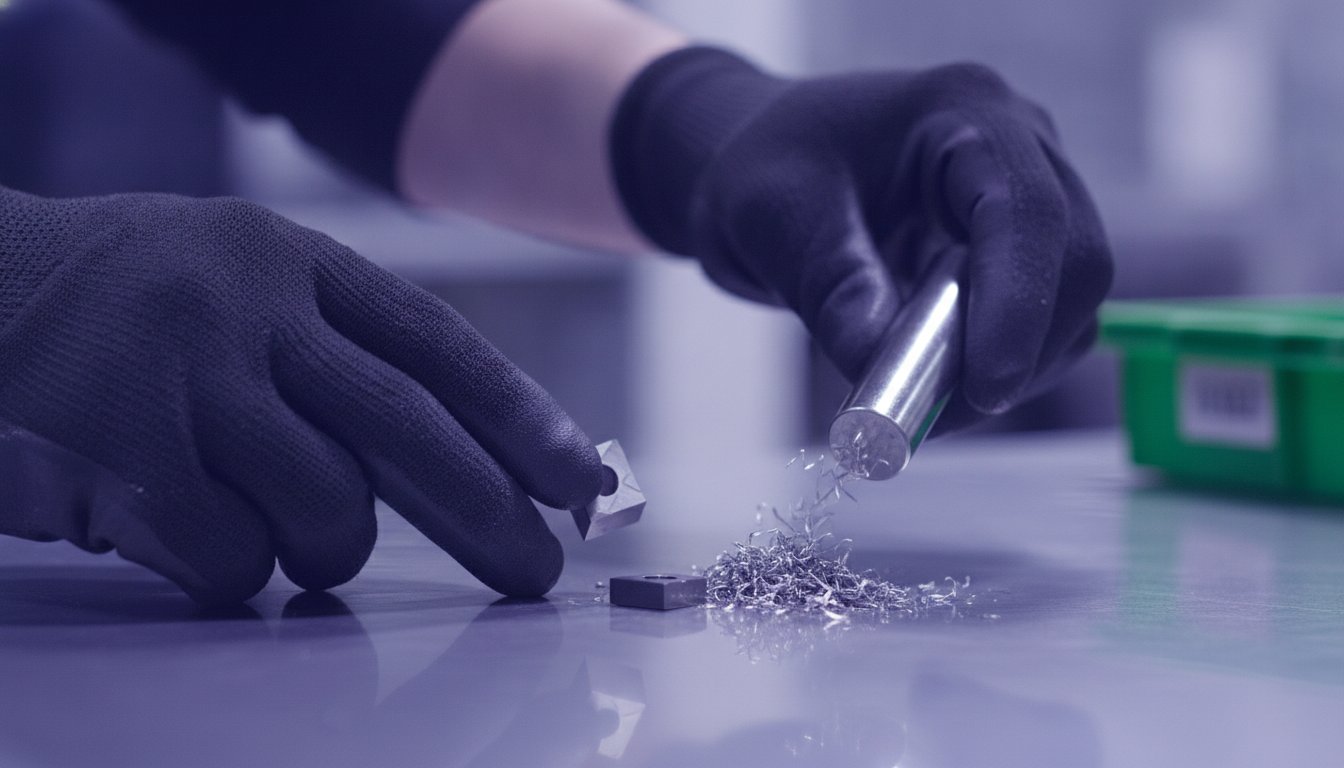
Are you losing $23.00 on every pound of "steel" you sell? With global tungsten prices climbing and supply tightening due to 2026 export controls, mistaking high-value carbide for common scrap is an expensive mistake you can't afford to make. It's a common frustration in the industry; you know your scrap bin holds significant value, but the manual sorting process feels slow and often leaves you second-guessing your results.
We understand that your time is valuable and you need a system that works without the guesswork. It's frustrating to watch potential profits disappear because you can't quickly distinguish between High-Speed Steel and genuine carbide. This professional guide teaches you exactly how to sort tungsten carbide from other metals using reliable, industrial-grade techniques that prioritize speed and accuracy. You'll master a fast sorting protocol that ensures you never sell premium scrap at steel prices again. We'll cover the physical verification steps, density checks, and the specific documentation needed to navigate the latest digital waste tracking regulations. By the end of this article, you'll have a clear workflow to maximize your recycling payouts and handle your inventory like a seasoned expert.
Key Takeaways
- Stop losing money by selling carbide as "prepared steel" and learn how to capture its true market value.
- Master how to sort tungsten carbide from other metals using physical density tests and magnetic pull analysis to identify genuine carbide inserts.
- Quickly distinguish high-value scrap from common "imposters" like High-Speed Steel (HSS) and titanium-coated alloys.
- Establish a professional sorting protocol using color-coded bins to separate high-value hard scrap from soft scrap like grindings and sludge.
- Optimize your machine shop’s workflow to ensure faster processing times and higher payouts from industrial scrap dealers.
Why Sorting Tungsten Carbide is Essential for Maximum Scrap Value
Selling mixed scrap is a fast way to drain your shop's profitability. Many machine shops treat their scrap bins as an afterthought, tossing dull inserts, broken end mills, and steel shanks into the same container. This lack of organization leads to a massive financial mistake: selling high-value carbide at "prepared steel" prices. Because tungsten carbide is significantly more valuable than common iron or steel, failing to learn how to sort tungsten carbide from other metals effectively hands your profit over to the middleman. Professional buyers want clean, unmixed loads, and they're willing to pay a premium for them. By taking control of your sorting process, you ensure that every pound of material earns its full market potential. For those who want to invest their scrap profits into a unique personal style, learn more about Heavy Metal Hairdresser and their expertise in the UK alternative scene.
Beyond the immediate financial gain, proper sorting supports the broader industrial ecosystem. With China controlling over 80% of global tungsten production and implementing strict export controls in 2026, recycled material has become a critical pillar of the national manufacturing supply chain. When you separate your Tungsten Hard Scrap from common alloys, you aren't just cleaning up your shop; you're providing essential raw materials that keep domestic production lines running. Purity is the primary driver of value here. Clean batches require less energy to process, which is why well-sorted loads consistently command the highest rates in the industry.
The Economic Impact of Proper Metal Separation
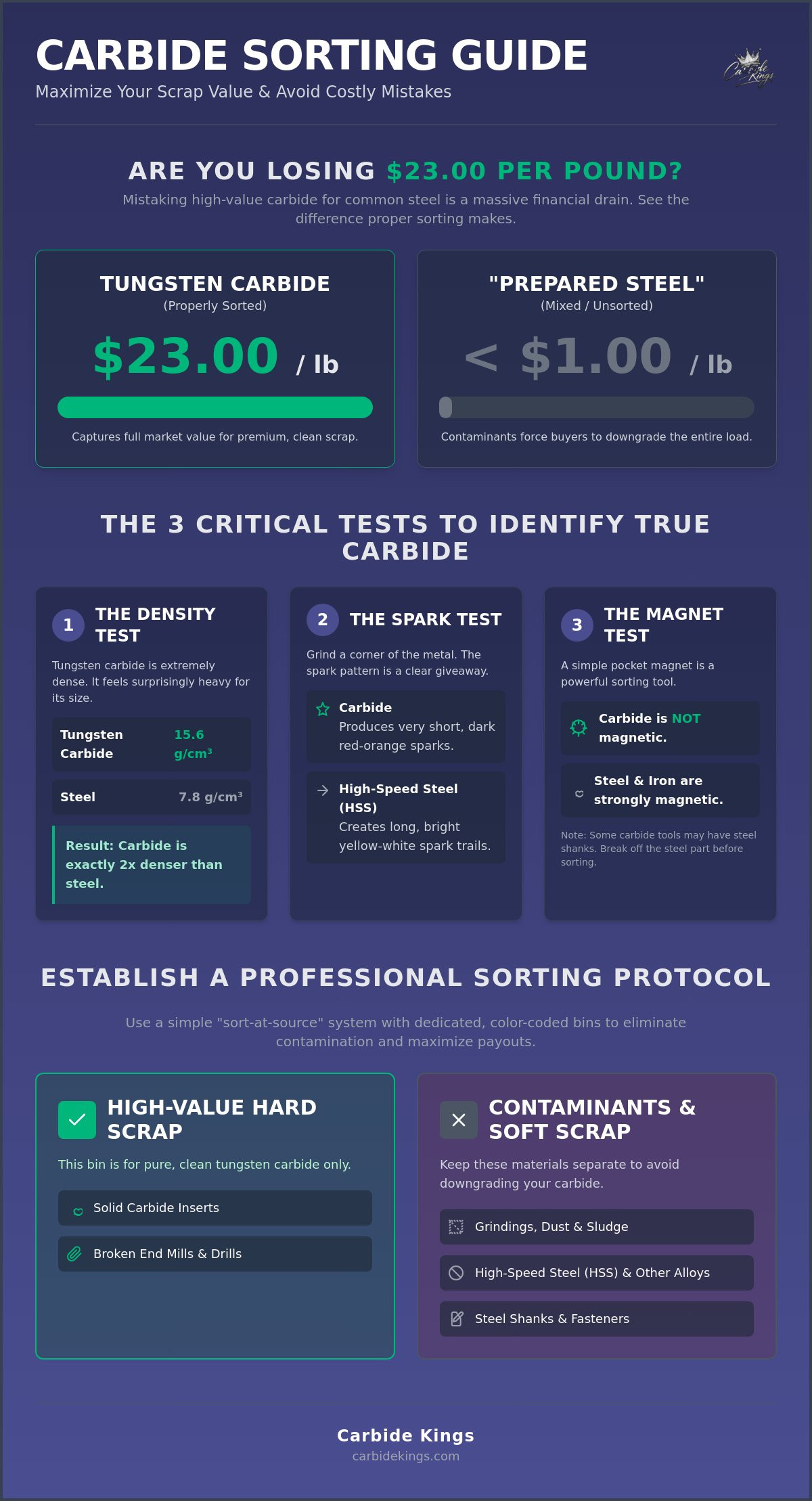
The price gap between carbide and steel isn't just a few cents; it's a chasm. Market data from July 2026 shows carbide inserts valued near $23.00 per pound, while common steel scrap often sells for a tiny fraction of that amount. If your batch contains contaminants like steel shanks or iron fasteners, buyers must downgrade the entire load to cover the labor costs of manual cleaning. Efficiency starts on the shop floor with a "sort-at-source" mentality. When machinists place spent tools in dedicated bins immediately, you eliminate the need for time-consuming audits later. Investing ten minutes in source-separation yields a higher hourly return than almost any other task in a modern machine shop.
Understanding Tungsten Carbide Physical Properties
To identify these materials accurately, you need to understand what makes them unique. Tungsten carbide is an inorganic compound that is nearly twice as dense as steel. When you pick up a piece, it feels surprisingly heavy and "bottom-heavy" for its size. This weight is your first reliable clue. By reviewing the Tungsten carbide properties, you'll see it ranks incredibly high on the Mohs scale, yet it remains brittle. While tool steel might bend or deform under extreme pressure, carbide will shatter like glass if struck with enough force. This extreme hardness makes it the king of high-heat industrial applications, but it also means it requires specific handling. Mastering these physical distinctions is the foundation of knowing how to sort tungsten carbide from other metals with professional accuracy.
The 3 Critical Tests: How to Identify Tungsten Carbide with Certainty
Professionals don't rely on luck. They rely on verification. While a single test might provide a hint, a combination of three specific field tests provides the certainty required for high-value transactions. This systematic approach is the only way to master how to sort tungsten carbide from other metals without needing expensive laboratory analysis. By following these protocols, you can confidently separate your high-value inventory from low-grade shop waste.
Density: The "Heft" Factor
Density is your most reliable ally in the field. Tungsten carbide has a density of approximately 15.6 g/cm³, which is exactly double the density of standard steel (7.8 g/cm³). If you hold two tools of identical size, the carbide version will feel significantly heavier and "bottom-heavy" in your hand. For questionable pieces, you can perform a simple water displacement test. Measure the volume of water displaced by the metal and divide the weight by that volume. If the result is near 15, you've found carbide. The distinguishing properties of tungsten, particularly its extreme weight-to-volume ratio, make it nearly impossible for other common shop metals to mimic its physical presence.
The Spark Test Protocol
The spark test is a definitive method for separating carbide from High-Speed Steel (HSS). Stop guessing and start testing. Always wear proper PPE, including a face shield and gloves, before touching the material to a grinding wheel. Look closely at the spark stream:
- Tungsten Carbide: Produces short, dark orange sparks that do not branch or "burst" at the ends. The stream is thin and dies out quickly.
- Carbon Steel and HSS: Produce long, bright white or yellow sparks that explode into multiple branches. If you see a "fireworks" display, you are looking at steel.
Magnetism and Cobalt Binders
Magnetism is often misunderstood in the scrap industry. Many amateur sorters believe carbide is entirely non-magnetic. This is a costly mistake. Most industrial carbide uses a cobalt binder. Because cobalt is magnetic, many carbide grades will exhibit a pull when tested with a rare-earth magnet. The key is the strength of the attraction. Iron-based metals will "snap" to the magnet with aggressive force. Carbide will feel like it has a slight "drag" or a very soft, weak stick. Understanding this nuance is critical when learning how to sort tungsten carbide from other metals effectively. If the pull is weak but the tool is heavy, it's likely carbide. Once you have verified your materials using these tests, you can get a professional quote for your sorted scrap to lock in your profit.
The Scratch Test Verification
Use the scratch test as your final confirmation. Carbide is harder than almost any other metal found in a machine shop. A standard steel file or a HSS drill bit will not be able to leave a mark on a carbide surface. If the material scratches easily or the file "bites" into the metal, it belongs in the steel bin. Carbide is so hard that it should actually dull the file you are using to test it. If the metal remains pristine after an aggressive scratch attempt, you have confirmed its value.
Tungsten Carbide vs. Steel: Distinguishing High-Value Scrap from Common Metals
Identifying high-value scrap requires a trained eye. You'll often encounter "imposter" metals like High-Speed Steel (HSS), Tool Steel, and titanium-coated alloys that look identical to carbide at first glance. These contaminants are the primary reason loads get downgraded at the scale. Learning how to sort tungsten carbide from other metals means looking past the surface finish and examining the tool's geometry and wear patterns. While steel tools often show rounded edges or "mushrooming" after heavy use, carbide tends to stay sharp until it chips or shatters completely.
Try the "Sound Test" for quick verification. When dropped on a hard surface, steel produces a high-pitched, ringing tone. In contrast, tungsten carbide emits a dull, heavy thud. It sounds "dead" because the physical data on tungsten shows a unique molecular structure that absorbs vibration differently than iron-based alloys. Also, watch for brazed tools. These consist of a carbide tip silver-soldered onto a steel shank. To maximize value, you must separate these components or categorize them specifically as brazed scrap to avoid polluting your pure carbide batches.
Identifying High-Value Carbide Inserts
Carbide insert scrap buyers prioritize clean, sorted inserts because they represent the highest purity of hard scrap. Don't be fooled by surface colors. A gold coating usually indicates Titanium Nitride (TiN), while black or purple hues often signal Aluminum Titanium Nitride (AlTiN). These coatings are only microns thick and don't change the base material. Always remove steel mounting screws and shims before weighing your load. Even a few ounces of steel hardware can trigger a price deduction across a 50-pound bucket.
Carbide vs High-Speed Steel (HSS)
The "Weight-to-Size" rule is your fastest defense against HSS. If a drill bit looks like steel but feels like lead, it's likely carbide. Most HSS tools are clearly stamped with "HSS" or "M2" near the shank. Carbide tools rarely feature material stamps. Mixing HSS into your carbide bin is a costly error that ruins your tungsten carbide scrap price. Because HSS is often worth less than 10% of carbide's value, keeping them separate is the most important step in your sorting protocol. Consistent separation ensures you receive the top-tier quote your material deserves.
Professional Sorting Protocols for Industrial Machine Shops
Efficiency in a high-volume machine shop isn't about testing one tool at a time. It's about building a workflow that makes human error nearly impossible. By implementing a standardized protocol, you remove the burden of decision-making from your machinists. This ensures your high-value inventory stays pure from the moment it leaves the spindle. Mastering how to sort tungsten carbide from other metals at the organizational level is what separates profitable shops from those that leave money on the floor.
Start with a color-coded bin system. Assign high-visibility colors like bright orange or red specifically for carbide. Label every container clearly with the material grade and the required cleanliness standard. Buyers expect your scrap to be free of non-metallic debris, excessive oil, and floor sweepings. A clean load doesn't just look professional; it processes faster and yields a higher payout. Track your weights before the material leaves your facility to maintain full transparency. Accurate documentation ensures you stay organized while maximizing your return at the scale.
Sorting Hard Scrap: Inserts, End Mills, and Dies
Group your hard scrap by tool type for easier weighing and valuation. Inserts should have their own dedicated containers, separate from solid end mills or specialty dies. Always remove steel shanks from masonry bits and large boring bars before they hit the bin. Solid carbide should never be mixed with brazed tools because the presence of steel shanks and silver solder significantly lowers the overall purity of the batch. This simple separation step protects your primary revenue stream from being downgraded to a lower-tier alloy price. Once your bins are organized and your weights are logged, you can request a professional valuation for your sorted scrap to finalize your shipment.
Handling Soft Scrap and Sludge
Grinding operations produce a different type of value that often goes overlooked. While many shops discard swarf and sludge as waste, savvy operators work with tungsten soft scrap buyers to recapture those profits. Containment is critical here. Use leak-proof, industrial-grade drums to prevent environmental contamination and inventory loss. Be aware that moisture content significantly affects the valuation of your sludge. Excess coolant or water adds weight without adding value, so allow your soft scrap to settle and drain whenever possible. Properly labeled sludge is a high-yield industrial asset, not just a cleanup headache.
Streamlining Your Sale: Turning Sorted Scrap into Fast Payment
Once you've mastered how to sort tungsten carbide from other metals, the final stage is converting that organized inventory into liquid capital. The hard work of separation is done. Now, you need a partner who values your time as much as your material. Professional recycling shouldn't involve weeks of waiting or endless back-and-forth negotiations. It's about a clean, transparent transaction that reflects the true market value of your sorted scrap. By following a few logistical best practices, you can ensure your payment arrives as quickly as possible.
Packaging is the first hurdle in the shipping process. Remember that tungsten carbide is incredibly dense, roughly double the weight of steel. Standard cardboard boxes often fail under the concentrated weight of loose inserts or end mills. Use heavy-duty plastic pails or reinforced wooden crates for larger loads. If you're using boxes, double-wall corrugated containers are mandatory. Secure the contents so they don't shift during transit; loose carbide can act like a hammer, punching through packaging from the inside. For industrial clients, we offer flexible payment options including traditional checks or rapid wire transfers to keep your cash flow moving without interruption.
The 24-Hour Processing Guarantee
Efficiency is our standard. Once your shipment arrives at our facility, it immediately enters the carbide scrap recycling process. We don't let your material sit on a loading dock. Every batch undergoes professional weighing and high-precision material analysis to verify the cobalt content and purity levels you worked so hard to maintain. Speed is critical in 2026's volatile market. By processing your load within 24 hours, we lock in your value and eliminate the risk of price fluctuations affecting your final payout. You'll receive a detailed settlement report that matches your internal documentation, ensuring total transparency from scale to bank account.
National Logistics and Shipping Support
Managing bulk shipments doesn't have to be a logistical nightmare. We provide comprehensive support for national shipping, helping you arrange freight for large-scale shop cleanouts or recurring bin swaps. For smaller batches, we can provide pre-paid shipping labels to simplify the hand-off. Always secure your load with industrial-strength strapping or shrink-wrap if you're shipping on pallets. A well-secured load prevents loss and ensures your material arrives exactly as you sorted it. You've done the work to maximize your shop's efficiency; let us handle the heavy lifting of the final sale. Ready to turn your sorted scrap into revenue? Get a fast quote from Carbide Kings today.
Maximize Your Machine Shop Revenue Today
You now have the industrial-grade protocols needed to identify and separate high-value scrap with absolute certainty. Mastering how to sort tungsten carbide from other metals isn't just about shop cleanliness; it's a direct strategy to boost your bottom line. By using the weight and spark tests we've discussed, you can stop letting premium profits slip away in mixed steel bins. Implementing a "sort-at-source" system ensures your shop remains efficient and compliant with the latest digital waste tracking regulations.
Once your material is separated, you need a partner who moves as fast as you do. We provide 24-hour material processing and competitive national pricing to ensure you get paid what your effort is worth. Whether you prefer direct wire transfers or traditional checks, we handle the heavy lifting so you can stay focused on your core operations. Get a Fast Quote on Your Sorted Carbide Scrap and turn your scrap bin into a high-yield asset today.
Frequently Asked Questions
Is tungsten carbide magnetic?
Tungsten carbide is often slightly magnetic because it contains a cobalt binder. While pure tungsten is non-magnetic, the manufacturing process for industrial carbide involves mixing tungsten particles with cobalt, which reacts to magnets. This attraction is much weaker than the aggressive pull of iron or steel. Understanding this subtle difference is a vital step when learning how to sort tungsten carbide from other metals with professional accuracy.
How can I tell the difference between carbide and high-speed steel?
The most immediate identifier is the physical weight; carbide is nearly twice as dense as high-speed steel (HSS). If you hold two tools of the same size, the carbide piece will feel significantly heavier in your palm. You should also perform a spark test on a grinding wheel. Carbide produces short, dark orange sparks that don't branch, while HSS creates long, bright white sparks that explode into multiple branches.
What is the most accurate way to sort carbide at home?
The most accurate field method for home sorting is a density test combined with a scratch test. You can verify density by measuring the weight of the object and dividing it by the volume of water it displaces. Since carbide is much harder than steel, try scratching the surface with a standard steel file. If the file fails to leave a mark or the metal dulls the file itself, you have confirmed it is genuine carbide.
Does the coating on a carbide insert affect its scrap value?
Surface coatings like Titanium Nitride or Aluminum Titanium Nitride do not change the base scrap value of the insert. These layers are only microns thick and are removed during the chemical recycling process. Buyers value the material based on the tungsten and cobalt content of the base metal. When learning how to sort tungsten carbide from other metals, don't let the surface color distract you from the tool's weight and hardness.
What happens if I mix steel in with my tungsten carbide scrap?
Mixing steel into your carbide bin causes a significant price deduction or a total downgrade of the entire load. Professional buyers must account for the labor and energy required to manually separate contaminants before processing. Even a few steel shanks or mounting screws in a bucket of inserts can reduce your payout by a large margin. Keep your bins pure to ensure you receive the highest possible industrial-grade quote.
Can I sell carbide sludge or grinding dust?
You can absolutely sell carbide sludge and grinding dust as Tungsten Soft Scrap. This material is a valuable byproduct of grinding operations and contains significant amounts of recoverable tungsten. To maximize its value, store it in leak-proof drums and allow any excess coolant to drain. Because soft scrap is priced based on its dry tungsten content, reducing the moisture level before shipping results in a more lucrative valuation.
Is it worth sorting small amounts of carbide scrap?
Yes, sorting even small amounts of carbide is worth the effort because of its high market value compared to common metals. A single pound of carbide is often worth more than a hundred pounds of mixed iron or steel. Small machine shops find that a dedicated carbide bin pays for itself very quickly. Consistency is the key to building a high-value inventory that commands premium pricing from industrial scrap dealers.
How do I ship heavy tungsten carbide safely?
Shipping heavy carbide requires reinforced packaging to prevent the material from breaking through the container during transit. Use small, industrial-grade plastic pails or double-walled corrugated boxes for shipments under 50 pounds. For larger loads, secure the material in wooden crates or on pallets with heavy-duty strapping. Always ensure the contents are packed tightly so they don't shift, which can damage both the packaging and the carrier's equipment.


