
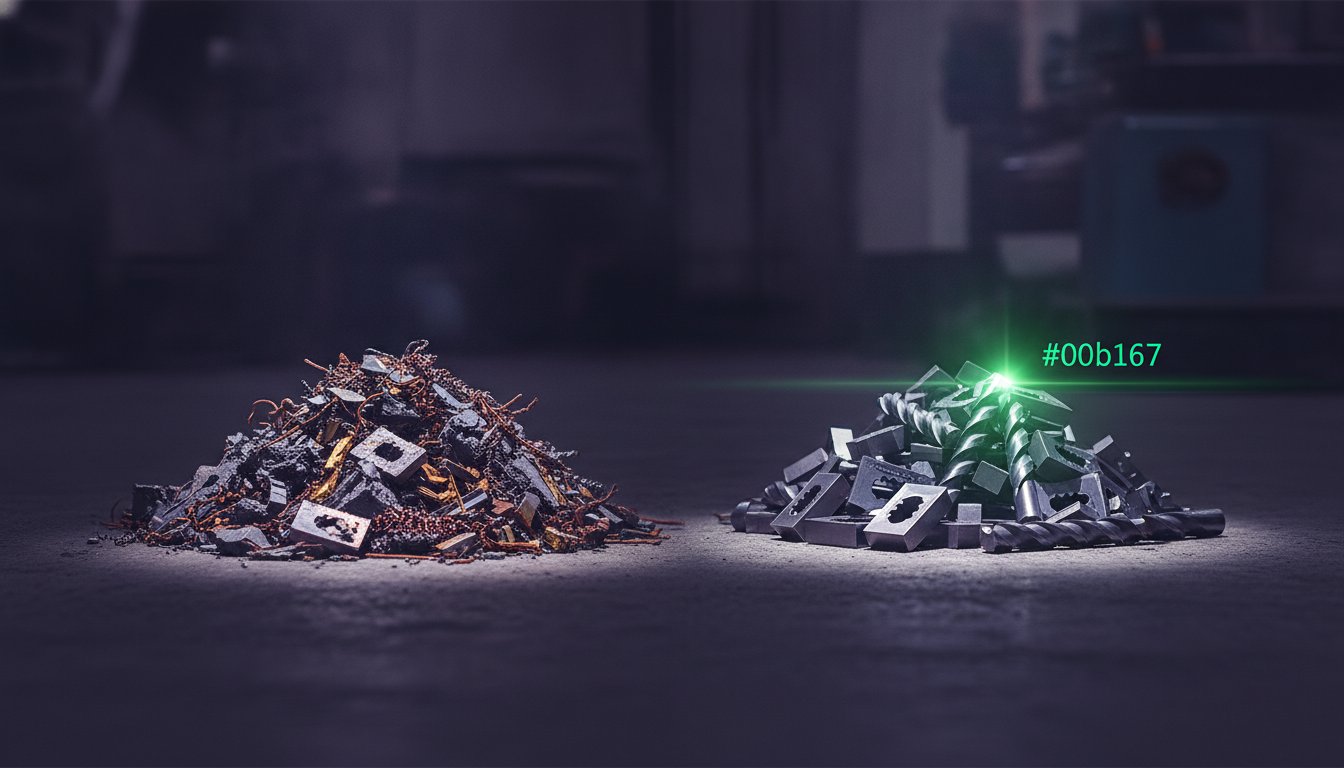
You shouldn't have to settle for lower-than-expected quotes when you've done the hard work of collecting tungsten waste. It's frustrating to watch your potential profits shrink because of a single misunderstood term. Many industrial professionals find themselves asking, what is contaminated carbide scrap, only after they receive a disappointing payout. You know your material is high-quality, but if it's mixed with high-speed steel or brazing material, refineries often treat it as a liability rather than an asset.
We agree that your time is too valuable to waste on incorrect sorting or confusing metallurgical jargon. This guide will teach you exactly what constitutes contamination in tungsten carbide scrap and how to prevent it to secure the highest possible market rates. We'll provide clear criteria for "clean" scrap, simple shop-floor sorting methods, and a roadmap to ensure your next shipment results in a fast, transparent, and lucrative transaction. Stop leaving money on the shop floor and start maximizing the value of every pound of metal you handle.
- Understand exactly what is contaminated carbide scrap to protect your bottom line from unexpected quote deductions.
- Master the magnet and weight tests to quickly distinguish between high-value tungsten and low-grade steel on the shop floor.
- Learn how refineries use net weight calculations to determine your final payout based on material purity.
- Implement simple sorting techniques to remove brazing materials and foreign alloys before they hit the scale.
- Partner with an expert for 24-hour processing and direct payments once your material arrives at the facility.
Understanding Contaminated Carbide Scrap: Definition and Impact
You need to know exactly what is contaminated carbide scrap before you send your next shipment to a buyer. At its core, contamination refers to any foreign elements, alloys, or non-metallic materials mixed into your tungsten carbide. While you might see a pile of valuable tools, a refinery sees a chemical puzzle. If your scrap contains steel shanks, ceramic coatings, or heavy brazing, it's no longer pure. This mixture forces recyclers to perform extra processing steps, which directly reduces the amount of money they can put in your pocket.
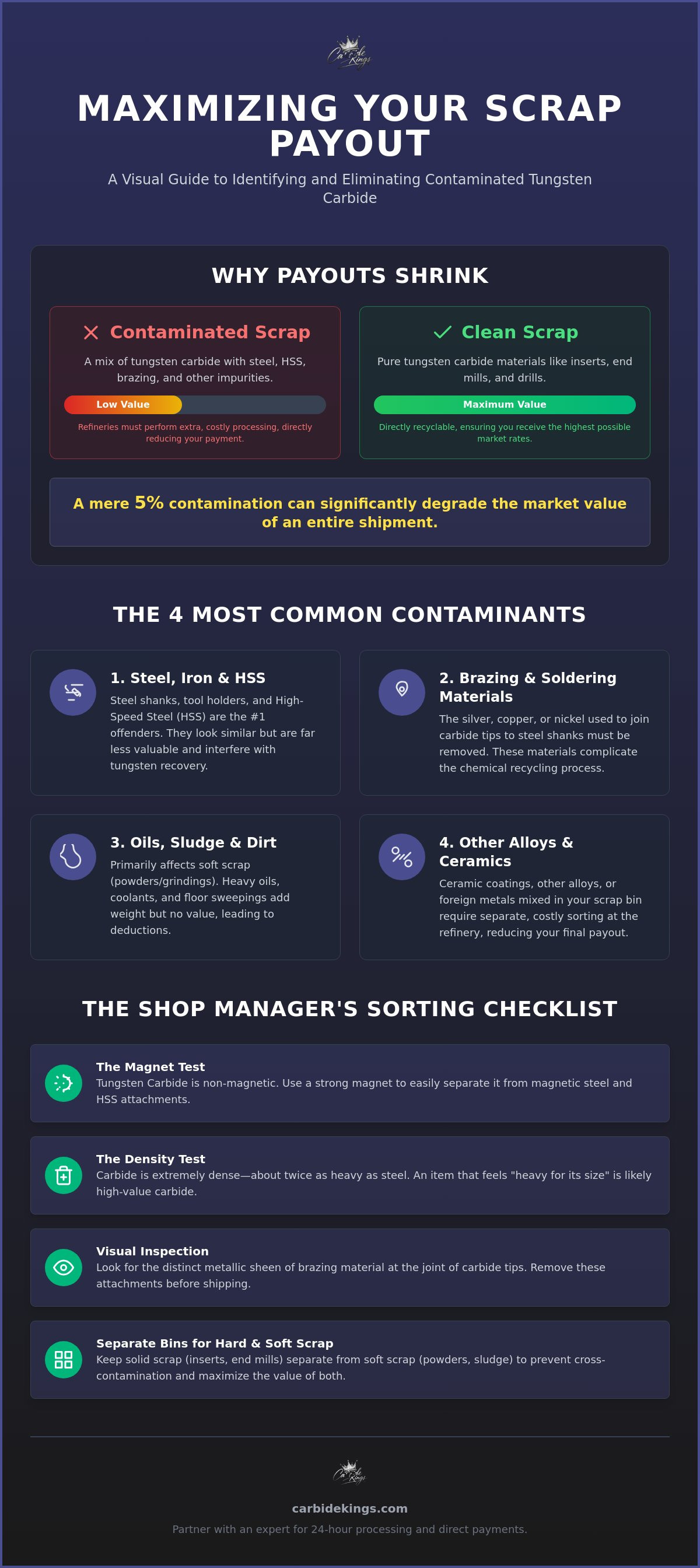
Unlike common metals that you simply melt down in a furnace, Tungsten carbide is a sintered product. It's created by pressing tungsten powder and a binder metal, usually cobalt, together under intense heat. Because it isn't a simple melted alloy, you can't just "burn off" impurities like you might with iron or aluminum. Every bit of foreign material stays in the mix and interferes with the recovery of the high-value tungsten. Even a small amount of oversight can be costly; a mere 5% contamination level can significantly degrade the market value of a bulk shipment. You're essentially paying a "chemical tax" for every piece of steel or solder left in your bin.
The Chemistry of Tungsten Recovery
Refineries use complex hydrometallurgical processes to reclaim tungsten. This involves chemical leaching to separate the tungsten from its cobalt binder. Foreign metals like iron from steel shanks or chrome from plated tools are problematic because they interfere with these precise chemical reactions. They consume the leaching agents and create unwanted byproducts that are difficult to filter out. To handle certain types of scrap, recyclers use the zinc process. The zinc process involves using molten zinc to break down the cobalt binder in carbide scrap, effectively turning solid tools back into recyclable powder. If your material is clean, this process is fast and efficient. If it's contaminated, the chemistry becomes unpredictable and expensive.
Clean vs. Contaminated: The Visual Difference
Don't confuse surface oxidation with true contamination. If your carbide inserts look dull, grey, or slightly rusted on the surface, they're likely still "clean" in terms of elemental purity. Real contamination is usually structural. For example, a carbide drill bit still attached to a steel shank is contaminated. A carbide tip with a thick layer of silver solder or braze is also considered dirty.
You must also distinguish between contamination in hard scrap and soft scrap. Hard scrap includes solid items like end mills and indexable inserts. Soft scrap refers to powders, sludge, or grindings. Soft scrap is much easier to contaminate because shop floors often mix it with floor sweepings, oil, or steel turnings. Keeping these streams separate is the fastest way to ensure you receive a quote based on the high density and value of pure tungsten rather than a diluted average.
The 4 Most Common Types of Carbide Contaminants
Identifying the specific substances that lower your payout is the fastest way to increase your revenue. When you ask what is contaminated carbide scrap, the answer usually involves one of four specific categories. Steel is the primary offender in most industrial settings, but brazing materials, non-metallic fluids, and High-Speed Steel (HSS) also play major roles in devaluing your waste. Refineries pay for the weight of the tungsten, not the weight of the debris attached to it. Clear the clutter from your bins before you ship to ensure you receive the highest possible market rates.
Metallic Impurities: Steel, Iron, and HSS
Steel is the number one contaminant in machine shops. Many carbide tools are brazed onto steel shanks or held in steel tool holders. If you ship these items without removing the steel, you're essentially asking the refinery to do the manual labor for you. They'll deduct that labor cost and the weight of the steel from your final check. Brazing and soldering materials are also problematic. These joints often contain silver, copper, or nickel shims that interfere with the chemical recovery of tungsten.
High-Speed Steel (HSS) presents a unique challenge because it looks almost identical to tungsten carbide to the untrained eye. However, HSS has a much lower density and contains very little tungsten. Mixing HSS drills with carbide drills is a common mistake that leads to lower-than-expected quotes. Because HSS is an alloy and not a sintered product, it requires an entirely different recycling stream. If you're unsure about a specific batch, you can get a professional assessment to distinguish your high-value carbide from low-grade steel alloys.
Non-Metallic Impurities: Oils, Sludge, and Dirt
Non-metallic substances like heavy oils, coolants, and general shop floor debris add "dead weight" to your shipment. When a buyer weighs your material, they're looking for the net weight of the metal. If your carbide is soaked in cutting fluids, that liquid weight is deducted during the processing phase. This is especially true for soft scrap and grinding swarf. This material often arrives as a thick sludge, where a significant percentage of the weight is actually moisture and oil rather than metal.
Properly managing these fluids is not just about profit; it's also about compliance. Handling metal-bearing sludge often requires navigating hazardous waste recycling regulations, particularly when certain synthetic coolants are involved. Keep your scrap bins covered and away from floor sweepings. A clean bin prevents dirt, plastic, and general trash from entering the mix. Every pound of trash in your bin is a pound of tungsten you aren't getting paid for. Shop discipline is the most effective tool you have for maximizing your metal value.
How Contamination Affects Your Scrap Value
Your payout depends on one simple calculation: the weight of the actual tungsten recovered from your shipment. Professional buyers distinguish between gross weight, which is the total weight of the material you ship, and net weight, the weight of the usable carbide after impurities are removed. When you understand exactly what is contaminated carbide scrap, you realize that every ounce of steel, oil, or plastic is a direct deduction from your bottom line. You aren't just losing the value of that weight; you're often paying the refinery to handle the extra processing for you.
For a deep dive into how these factors influence your final check, consult our tungsten carbide scrap price guide. It provides the market context you need to understand current valuations and market drivers. Keep in mind that refineries have strict tolerance levels for impurities. If a shipment arrives with excessive contamination, it might be rejected entirely. This means you'll face the logistical nightmare and cost of having the material shipped back to your facility. Clean scrap moves through the system quickly, while dirty scrap triggers delays, extra fees, and lower rates.
The Cost of Processing Dirty Material
Refineries incur significant labor and energy costs when they receive contaminated shipments. If your carbide tips are still brazed to steel shanks, a secondary sorting process is required to physically or chemically separate them. Chemical stripping of brazed parts is energy-intensive and time-consuming, which naturally reduces the final payout you receive. There is also the issue of yield loss during the recycling phase. During smelting and recovery, impurities can cause a percentage of the actual tungsten to be lost in the slag. This yield loss means you get paid for less metal than was actually present in the raw scrap because the refinery cannot recover every grain of tungsten from a "dirty" mix.
Weight Deductions and Moisture Content
Soft scrap, such as wet grinding sludge or swarf, is priced differently than dry hard scrap because of its high liquid content. Buyers often perform a "burn-off" test on these materials to determine their true value. They take a small sample, heat it to evaporate all oils and water, and then weigh it again to find the true metal percentage. If your sludge is 30% oil, you'll see a 30% weight deduction immediately. You can increase the apparent value of your soft scrap by allowing it to dry or using a centrifuge to spin out excess coolant before packing it for shipment. Dry, concentrated material is always more lucrative than heavy, oil-soaked sludge.
Identification and Sorting: The Shop Manager’s Checklist
Effective sorting starts at the source. Once you understand what is contaminated carbide scrap, your next step is implementing a bulletproof identification system. Don't wait until the end of the month to sort a massive pile of mixed metal. By then, the labor costs of separation will eat into your profits. Use these proven industrial methods to keep your bins clean and your payouts high. Shop discipline is the difference between a standard scrap check and a premium payout.
The Magnet and Spark Tests
A rare-earth magnet is your first line of defense. Standard refrigerator magnets are often too weak to provide a clear answer on the shop floor. While tungsten carbide itself isn't magnetic, many industrial grades use cobalt as a binder. This can cause a slight, "mushy" pull that might confuse a novice. In contrast, a steel shank or an HSS tool will snap to a rare-earth magnet with significant force. If the piece barely reacts or shows a weak attraction, it's likely high-value carbide. If it sticks firmly, it's a contaminant that needs to be pulled.
The spark test offers another definitive answer for hard scrap. Use a bench grinder to touch the tool briefly and observe the reaction. Tungsten carbide produces short, discrete, orange sparks that drop quickly toward the floor. Steel produces long, branching, bright white sparks that fly much further and stay in the air longer. This visual difference is unmistakable. It's a fast, reliable way to verify material before it enters your primary storage bin.
Establishing a Sorting Workflow
Consistency is the key to purity. Place dedicated, color-coded bins at every CNC machine station. Label them clearly for "Carbide Only" and "Steel/HSS Only." Train your operators to remove steel screws, shims, and shanks immediately after a tool fails. It only takes seconds at the machine, but it takes hours if you wait until the bin is full. Removing these attachments at the source prevents metallic contamination from ever entering your high-value stream.
Before you request a pickup, perform a final audit of your scrap bin. Reach in and lift a few pieces. Because tungsten carbide has a density nearly double that of steel, it should feel surprisingly heavy for its size. If a large tool feels light, it's likely HSS and should be removed. This final check ensures you are sending the most concentrated, high-value shipment possible. If you're ready to turn that sorted scrap into cash, contact us today for a streamlined quote and experience our professional processing firsthand.
Maximize Your Return with Carbide Kings
You've taken the time to learn what is contaminated carbide scrap and how to sort it effectively. Now, you need a partner who values that effort. Carbide Kings is the national leader in streamlined tungsten recycling. We've refined our procurement process to eliminate the traditional barriers of scrap metal trading. Our system is built for speed, transparency, and high-volume industrial reliability. When you ship to us, you aren't just selling waste; you're optimizing your shop's revenue stream with a trusted expert.
Efficiency is our standard. We maintain a strict 24-hour processing commitment once your material arrives at our facility. Our team uses precision weighing and advanced analysis to verify the purity of your load. This ensures you receive a fair payout based on the actual metal content, not a guessed average. We prioritize transparency at every step, providing you with a clear breakdown of your shipment's value. You can stay focused on your core operations while we handle the heavy lifting of material valuation and recovery.
National Logistics and Fast Payment
Logistics shouldn't be a hurdle for your business. We provide national logistics assistance for bulk industrial loads, making it easy to move material from your shop floor to our refinery. Whether you have a few hundred pounds or several tons, we help coordinate the movement of your metal. Once processing is complete, we offer immediate liquidity through wire transfers or checks. For a deeper look at the mechanics behind our operations, read our guide on the industrial carbide scrap recycling process. This comprehensive resource explains how we turn your waste into a valuable resource.
Ready to Sell Your Scrap?
The path to a higher payout is straightforward. Gather your material and perform one final magnet check to ensure no stray steel has entered your clean bins. We buy tungsten hard scrap, soft scrap, and alloys from industrial clients across the United States. Don't let your valuable tungsten sit in a corner collecting dust or oil. Turn your sorted, high-quality material into capital today. Get your competitive carbide scrap quote from Carbide Kings today and see how easy industrial recycling can be.
Turn Your Clean Scrap Into Capital
Understanding what is contaminated carbide scrap is the first step toward better shop floor efficiency. By identifying steel shanks, HSS tools, and non-metallic oils early, you protect your bottom line from unnecessary weight deductions. Pure material isn't just a preference; it's a direct path to higher market rates and faster processing. Implementing a simple magnet test and using dedicated bins ensures your shipment is refinery-ready before it even leaves your facility.
Carbide Kings is ready to handle the heavy lifting for you. We provide national shipping assistance for bulk industrial loads and guarantee 24-hour processing once your material arrives. You'll receive competitive payments via wire transfer or check, giving you immediate liquidity for your business operations. Stop letting valuable tungsten sit idle in your scrap bins. Get a Fast Quote for Your Carbide Scrap today and experience a streamlined, professional transaction. Your sorted metal is a hidden asset; let's maximize its value together.
Frequently Asked Questions
Is all magnetic scrap considered steel contamination?
No, not all magnetic pull indicates steel. While a firm "snap" to a rare-earth magnet usually identifies steel or iron, some tungsten carbide grades exhibit a weak, "mushy" attraction because of their cobalt binder. You should look for a strong, unmistakable magnetic connection to identify true contaminants that need removal from your carbide bin.
Can I sell carbide scrap that still has oil or coolant on it?
You can sell it, but you'll face weight deductions during the final payout. Buyers calculate your quote based on the net weight of the metal. If your scrap is soaked in cutting fluids, that liquid weight is subtracted after a burn-off test. Drying your material or using a centrifuge before shipping is a simple way to protect your profit margins.
What happens if I ship a mixed load of carbide and steel?
Shipping a mixed load usually results in a significantly lower price per pound or a rejected shipment. Refineries must spend extra labor and energy to manually sort the materials before they can begin the chemical recovery process. These additional processing costs are deducted from your check, often turning a high-value shipment into a low-grade payout.
Does the coating on a carbide insert count as contamination?
Standard industrial coatings like TiN or TiAlN are not considered contamination. These thin surface layers don't interfere with the hydrometallurgical recycling process used to recover tungsten. When asking what is contaminated carbide scrap, focus on bulk foreign metals like steel shanks or silver brazing rather than the microscopic coatings found on indexable inserts.
How much does contamination typically reduce the price per pound?
Contamination reduces your price by the total weight of the foreign material plus a processing fee for sorting. If your shipment contains 10% steel by weight, you'll lose that 10% of the value immediately. Refineries also apply a labor charge to strip or separate the metals, which further shrinks the amount of money you take home.
Should I remove the steel shanks from my carbide end mills?
You should always remove steel shanks to secure the highest possible market rate. Clean, solid carbide tools fetch premium prices because they're ready for immediate processing. If you ship tools that are still brazed to steel, the buyer must account for the labor required to de-braze them, which results in a lower quote for your material.
What is the maximum allowable contamination for top-tier pricing?
Top-tier pricing usually requires a purity level of 98% or higher. Refineries have very low tolerances for foreign alloys because they disrupt the chemical leaching process. Even a small percentage of steel or HSS can move your shipment into a lower price bracket. Maintaining strict shop-floor discipline is the most effective way to stay in the highest payout category.
Can Carbide Kings help me identify if my scrap is contaminated?
We provide professional assessments to help you understand exactly what is contaminated carbide scrap in your specific inventory. Our team can review photos of your material or guide you through simple identification tests over the phone. We're committed to transparency and want to ensure you're sorting your waste correctly to receive the maximum possible value for every shipment.


