
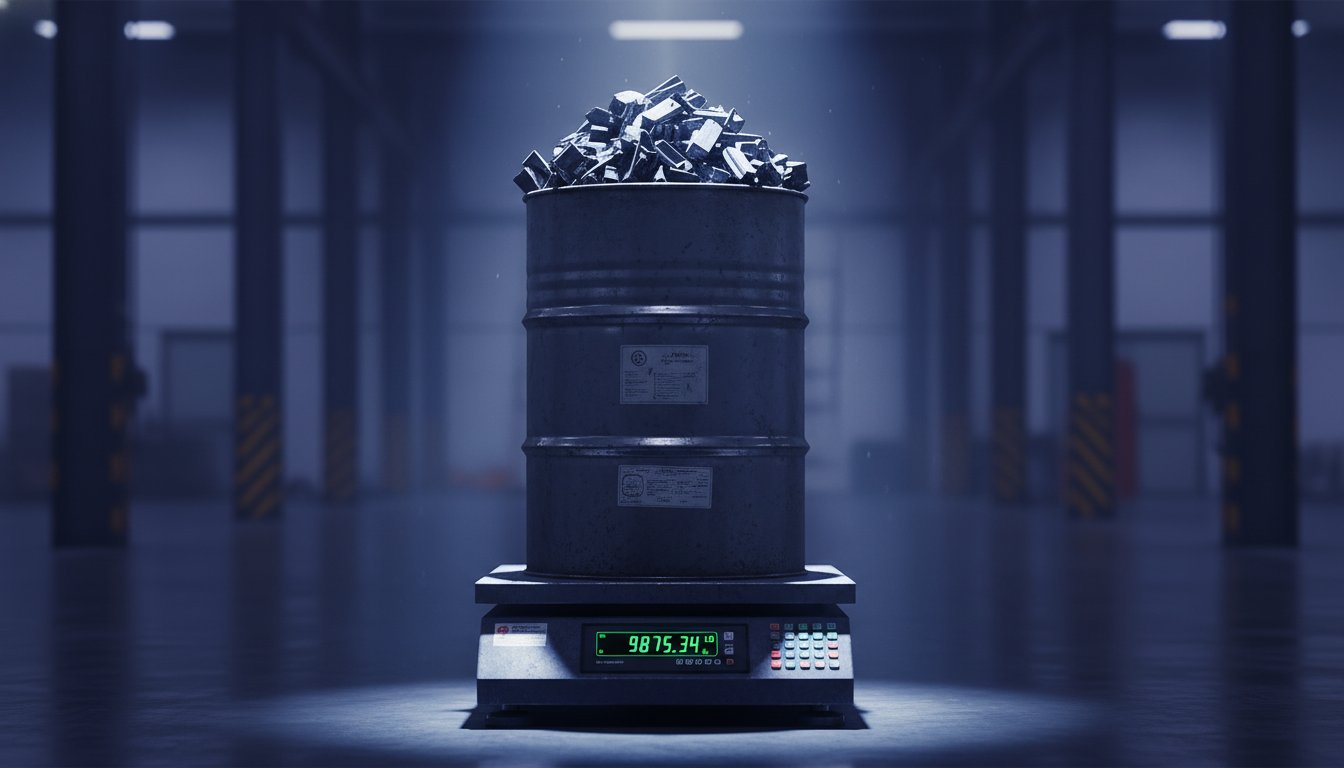
A single weighing error on a heavy shipment of tungsten can strip thousands of dollars from your industrial revenue in an instant. You've likely felt the stress of sending high-density materials across the country, questioning if the buyer's scale will reflect the true value of your load. It's a valid concern for any professional managing tungsten hard scrap or alloys. Understanding exactly how scrap carbide is weighed is the first step toward securing the transparent, high-value transaction you deserve.
Mastering the technical process of weight verification ensures you receive maximum value for every pound of material. This guide provides a professional look at the systems that turn density into revenue. We'll examine the critical differences between gross and net weights, the role of NTEP-certified scales, and how to eliminate the logistical friction of shipping heavy tungsten nationwide. By the end of this article, you'll have the confidence to turn your scrap into fast, accurate payment without the guesswork.
Key Takeaways
- Learn why tungsten's extreme density makes visual estimates impossible and why precision weighing is the only way to determine true value.
- Clear up the confusion between gross, tare, and net weights so you can calculate your expected revenue with total accuracy.
- Master the professional process of how scrap carbide is weighed and verified from the moment it leaves your facility until payment is issued.
- Get actionable tips on using calibrated scales and photographic documentation to establish a baseline weight before you ship your material.
- Understand the logistical advantages of working with a partner that uses state-certified equipment to turn your tungsten hard scrap into fast, transparent revenue.
The Critical Role of Weight in Carbide Scrap Pricing
The scale is the most important tool in any tungsten transaction. Because market prices are quoted strictly by the pound, your revenue depends entirely on the precision of the measurement. Unlike lighter metals where volume might give a rough idea of value, Tungsten carbide is far too dense for visual estimates. Small, heavy items like indexable inserts pack massive value into tiny footprints. If your buyer isn't using high-precision equipment, you're likely leaving money on the table.
Understanding how scrap carbide is weighed clarifies the gap between a "good guess" and a professional payout. Every ounce matters when you're dealing with high-value alloys. Precision isn't just a preference; it's a financial necessity in the industrial scrap sector.
Why Density Dictates Valuation
Tungsten's physical properties make it an industrial heavyweight. It's roughly 2.5 times denser than steel. To put this in perspective, a standard five-gallon bucket filled with steel scrap might weigh about 100 pounds. That same bucket filled with solid carbide drills or inserts will easily tip the scales at 250 pounds or more. This extreme mass is why visual volume estimates are useless in this industry. You can't look at a container and know its worth without a certified scale.
Density also acts as a primary filter during the initial intake process. Professional buyers use weight to distinguish genuine carbide from lower-value tool steels or nickel alloys. If a container feels light for its size, it's an immediate red flag that the material isn't pure tungsten. This physical reality ensures that the scale remains the final authority on value during every transaction.
The Relationship Between Weight and Tungsten Content
Weight provides the baseline, but it's only half of the equation. The final multiplier depends on the purity of the tungsten within the scrap. For instance, tungsten hard scrap typically commands a higher price than sludge or powder because the concentration of raw material is more predictable. You can track these market shifts in our tungsten carbide scrap price guide to see how current demand impacts your specific materials.
Experienced buyers also use weight to identify padding or contamination. If a shipment of inserts arrives with significant amounts of steel shanks or heavy oil residue, the net weight of the actual carbide drops. Precise weighing allows for a fair deduction of these non-carbide elements. It protects the integrity of the transaction. Mastering the specifics of how scrap carbide is weighed protects your bottom line and ensures you're paid for the actual tungsten you've provided, rather than the debris mixed in with it.
The Industrial Weighing Process: From Receipt to Verification
Transparency starts at the loading dock. When your shipment arrives, the verification process begins immediately. We photograph every package exactly as it is received from the carrier. This creates a secure, visual record for your protection and ensures there is no confusion regarding the condition of your material upon arrival.
First, we record the gross weight of the entire package. This initial measurement includes the pallet, buckets, and all packaging materials. Next, we unpack and sort the contents. This step is vital for your final payout. We separate the high-value tungsten hard scrap from any shipping debris, steel shanks, or non-carbide metals that might have been mixed in. Finally, we perform a precision net weighing on the sorted material. We compare this final number against your own provided estimate to ensure 100% accuracy. This methodical approach is how scrap carbide is weighed to guarantee you receive every cent your material is worth.
Certified Scales and Calibration Standards
Accuracy requires more than just a standard floor scale. We use NTEP-certified (National Type Evaluation Program) scales for every transaction. These are the industry standard for "legal for trade" business. Industrial load cells are essential for this type of work. They handle the massive pressure of high-density tungsten alloys without losing precision or bowing under the weight. We calibrate our equipment regularly to prevent "drift." Over time, scales can lose their accuracy if they aren't maintained. Even a one-percent error on a heavy shipment can cost you hundreds of dollars. We eliminate that risk through rigorous maintenance and state-certified inspections.
24-Hour Processing and Rapid Reporting
The days of waiting weeks for a weigh ticket are over. We've refined our logistics to ensure your material is processed and weighed within 24 hours of receipt. You get a clear, digital report as soon as the final numbers are verified. This rapid reporting removes the uncertainty of the "black hole" period where your material sits unverified in a warehouse. Our goal is to move your material from the dock to the scale with maximum efficiency. You get the facts, the weight, and your payment confirmation without unnecessary delays. If you value speed and transparency, you can request a quote and start the process now. We handle the heavy lifting so you can stay focused on your core operations.
Understanding Weight Terminology: Gross vs. Tare vs. Net
Confusion over weight terminology is the fastest way to lose trust in a transaction. When you look at a scale ticket, you need to know exactly which number determines your check. Precision in how scrap carbide is weighed relies on three specific metrics: Gross, Tare, and Net. Understanding these terms allows you to audit your own shipments and verify that your payout is correct. Every professional seller should be fluent in these definitions to ensure they aren't being short-changed by vague reporting.
Gross Weight represents the total mass of everything on the scale. This includes your tungsten hard scrap, the buckets it's stored in, the stretch wrap, and the heavy industrial pallet underneath. It is the starting point for every receipt. Tare Weight is the weight of the empty packaging. For a bulk shipment, this includes the weight of every container and the pallet itself. We subtract this from the gross to find the true amount of metal. Net Weight is the final, most important number. This is the actual weight of the carbide scrap alone. Your payment is calculated based strictly on this net figure. Inaccurate tare calculations are a common pain point in the industry; even a small error in estimating pallet weight can skew your final totals.
The Impact of Packaging on Your Total Weight
Don't overlook the weight of your shipping materials. A standard heavy-duty plastic bucket often weighs around 2 pounds, while a steel drum can exceed 50 pounds. Industrial wooden pallets typically range from 30 to 50 pounds depending on their size and moisture content. If these weights aren't properly accounted for, your initial estimates won't match the final report. Using standardized packaging simplifies the process. It allows for a fast, predictable tare deduction that keeps the transaction moving. When we process your tungsten alloys, we ensure every container is weighed empty to maintain total transparency.
Calculating Your Estimated Payout
Forecasting your revenue is a simple mathematical process once you have the right data. The formula is straightforward: (Gross Weight - Tare Weight) x Current Price per Pound = Total Payout. You can find the latest market rates in our guide to the carbide scrap price per pound to get an accurate baseline for your calculations.
Be aware of "unpayables" during this stage. These are non-carbide materials like heavy grease, steel attachments, or ceramic inserts that are removed before the final net weight is recorded. Professional processing ensures these contaminants don't inflate your tare or dilute your net weight. By stripping away the extras, we focus entirely on the high-value tungsten that drives your profit. This clarity is a cornerstone of how scrap carbide is weighed at a professional level. It ensures the final number on your check reflects the true value of your material.
Preparation Tips: How to Verify Your Weight Before Shipping
Don't wait for a buyer to tell you what your shipment is worth. Take control of the transaction before the material leaves your facility. Establishing your own baseline weight is the best way to ensure total transparency. By understanding how scrap carbide is weighed and verified on your end, you create a point of comparison that protects your revenue. Use a calibrated floor scale or a high-capacity shipping scale to get an accurate reading. This initial step eliminates the fear of being short-changed and sets a professional tone for the entire transaction.
Documentation is your best defense against weight discrepancies. Take clear photos of the scale readout for every container before you seal it. Record the number of containers and the estimated weight of each on your packing slip. Clearly label every box or bucket with your contact information and the estimated weight. This level of detail shows the buyer you're a professional who understands the value of your tungsten hard scrap. It also makes the intake process faster once the material arrives at the processing facility.
Sorting for Maximum Accuracy
Clean material pays better. Remove steel shanks, plastic cases, and heavy debris before you put anything on the scale. Mixing steel and carbide leads to weight discrepancies because the density of the two metals is so different. It also results in lower average pricing because the buyer must account for the labor of sorting. If your shipment is "clean," your net weight will be much closer to your gross weight. Check our guide on how to identify tungsten carbide scrap for specific sorting tips that maximize your payout. Proper sorting ensures that how scrap carbide is weighed at the facility matches the high-value expectations you've set.
Securing Your Shipment for National Transit
Tungsten is incredibly heavy for its size. Standard cardboard boxes rarely survive the trip. Use double-walled boxes or reinforced plastic buckets to prevent weight loss during transit. Secure the lids with industrial tape and ensure nothing can escape if the container is tipped or dropped. For bulk shipments, secure your buckets to a pallet with heavy-duty shrink wrap and strapping. When you hand the shipment to the carrier, the Bill of Lading (BOL) serves as a legal verification of the weight. If the weight at the destination doesn't match the BOL, you have the documentation needed to address the issue with the carrier. Ready to turn your prepared material into revenue? Sell your scrap carbide to a partner that values precision and fast processing as much as you do.
The Carbide Kings Advantage: Transparency in Every Pound
Choosing the right partner for your industrial recycling is just as important as the material you produce. We've built our reputation on a foundation of precision and professional integrity. Our national reach allows us to provide streamlined logistics for bulk carbide shipments from any facility in the country. We remove the stress of shipping heavy tungsten by handling the complex coordination for you. Transparency isn't just a goal; it's our standard operating procedure. We use state-certified scales for every transaction to ensure that how scrap carbide is weighed remains beyond reproach. You'll never have to worry about hidden deductions or vague weight reports.
Our no-nonsense approach eliminates the administrative hurdles that typically slow down industrial transactions. Once your weights are verified, we issue payment immediately via wire transfer or check. We prioritize your cash flow and your time. Whether you're managing tungsten alloys or hard scrap, we provide a consistent, reliable outlet for your materials. We've refined our process to be as efficient as a retail transaction, allowing you to focus on your core operations while we handle the heavy lifting of valuation and logistics.
Fast Turnaround and Direct Communication
Speed is a critical component of professional service. We understand that you can't afford to have capital tied up in unverified scrap shipments. That's why we promise a fast turnaround on every load. You'll receive your detailed weight report and payment confirmation within one business day of receipt. You also get direct access to our procurement experts. If you have questions about a specific weight reading or a complex shipment of tungsten soft scrap, you can speak directly to a specialist. We've eliminated the friction of traditional scrap yard visits by offering a modern, national mail-in service that values your time as much as your metal.
Get Your Professional Scrap Quote Today
Starting the process is straightforward and fast. You can request a quote online or over the phone to get an immediate baseline for your material. Professional tungsten hard scrap buyers trust our weighing precision because we document every step of the verification process. We turn your industrial waste into a predictable revenue stream with zero guesswork. Don't let your heavy tungsten sit in a warehouse collecting dust. Turn your density into revenue with a partner that values accuracy. Get your carbide scrap quote now and experience the industry's most transparent weighing and payment process.
Maximize Your Revenue With Precision Weighing
Precision in the weighing process is the difference between a standard payout and a lucrative industrial transaction. You now understand the critical distinction between gross and net weights and why certified industrial scales are non-negotiable for high-density materials like tungsten. By establishing your own baseline weight and documenting your shipment before transit, you've removed the guesswork from the process. We've refined how scrap carbide is weighed to ensure you receive fast, transparent results without administrative friction. Our team provides comprehensive national logistics support and a 24-hour processing guarantee to keep your operations moving forward.
Stop letting your heavy alloys sit idle. Secure the transparency you deserve with a partner that values accuracy. Get an Accurate Quote for Your Carbide Scrap Weight Today. We handle the heavy lifting so you can stay focused on your core business. We look forward to helping you turn your industrial scrap into immediate revenue.
Frequently Asked Questions
How accurate do my weights need to be before I ship?
Your weights should be as precise as possible to establish a solid baseline for the transaction. While our certified scales provide the final legal-for-trade measurement, having your own record prevents confusion. Use a calibrated industrial scale rather than a household device. This documentation protects your revenue and ensures the intake process moves quickly once the material arrives at our facility. Precision on your end makes the entire process smoother.
Do you deduct weight for the buckets or boxes my scrap arrives in?
Yes, we deduct the tare weight of all packaging materials to find the actual weight of your carbide. This includes pallets, plastic buckets, steel drums, and cardboard boxes. We weigh these containers empty to ensure we only pay you for the high-value tungsten scrap inside. Professional transparency requires that we strip away the weight of shipping debris before calculating your final check. You only get paid for the metal.
What happens if my scale and your scale show different weights?
We immediately compare our certified reading against your provided estimate to identify the cause of the discrepancy. If there is a significant difference, we review the intake photos and check for non-carbide unpayables that may have been removed. We use NTEP-certified scales that are regularly calibrated to ensure the highest level of accuracy. We resolve these issues through direct communication and clear digital reporting to maintain your trust.
Is there a minimum weight requirement for shipping carbide scrap?
We typically look for shipments that make logistical sense for national transit, but we don't have a rigid minimum for most tungsten alloys. However, shipping very small amounts can sometimes result in shipping costs that outweigh the material's value. We recommend consolidating your tungsten hard scrap until you have a substantial load to maximize your return on investment. Contact our team for a specific quote based on your current volume.
Can I weigh my carbide on a standard bathroom scale for an estimate?
You can use a bathroom scale for a rough approximation, but it won't provide the precision needed for a professional transaction. These scales aren't designed to handle the extreme density of tungsten and often lose accuracy at higher weights. To understand how scrap carbide is weighed professionally, you should use a calibrated industrial floor scale. This ensures your baseline estimate is reliable and matches our certified intake measurements.
How do you handle weight for soft scrap like sludge or grinding dust?
We weigh soft scrap exactly like hard scrap, but we also account for moisture and oil content. Grinding sludge often contains significant amounts of coolant that can inflate the gross weight. We process this material to determine the actual tungsten content before issuing a final report. This ensures you're paid for the raw material rather than the liquids or contaminants mixed in during the manufacturing process. We prioritize accuracy for all material forms.
Why is my net weight lower than what the shipping carrier recorded?
Shipping carriers record the gross weight, which includes your pallets and all packaging materials. Our final payout is based on the net weight of the carbide alone. Additionally, the process of how scrap carbide is weighed involves removing any steel shanks or ceramic inserts that don't meet our intake standards. These deductions are clearly documented in your final report to maintain total transparency. You can audit these numbers against your original shipping documents.
Will I receive a detailed weight breakdown with my payment?
Every payment includes a comprehensive digital report that breaks down your shipment by category and weight. You'll see the gross weight upon arrival, the deducted tare weight, and the final net weight of your tungsten hard scrap. This documentation allows you to audit the transaction and verify that our findings match your own records. We prioritize clarity to ensure you feel confident in every pound we process. Your satisfaction is our primary goal.


